

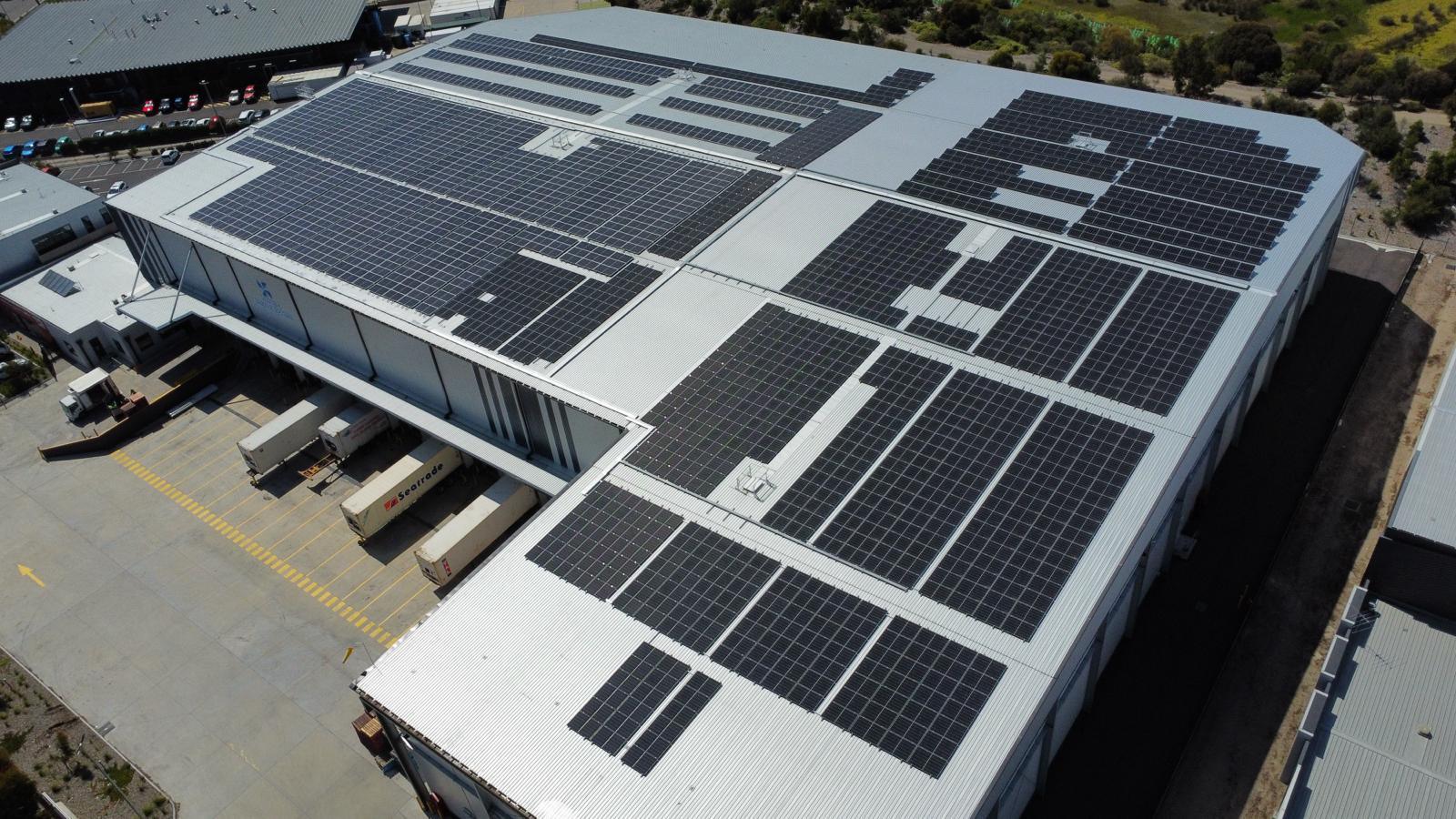
Electricity is one of the major running expenses for most businesses. Whether you run a small business, a shop, a warehouse or a factory, high power bills could impact your profits.
This is why most businesses have decided to use the Commercial Solar System in order to minimize their costs related to energy, improve energy efficiency and decrease dependence on the energy grid.
If you are planning to invest in solar, it helps to understand how the installation process works. In this guide, we explain each step in simple language so you know what to expect.
Why Are Businesses Choosing a Commercial Solar System?
The Commercial Solar System produces power that can be used in business premises. While the residential system can have a relatively smaller capacity, the commercial system is generally much bigger since businesses consume more electricity than individuals.
The benefits of using solar power for commercial purposes include:
- Reduced electricity bill costs
- Lower operating costs
- Efficiency of energy usage
- Reduction in emission of carbon
- Increased savings
With rising electricity prices, solar has become a smart investment for businesses across Queensland.
Step-by-Step Commercial Solar System Installation Process
Know Your Business Energy Needs
The first step is to understand how much electricity your business uses.
A professional installer will review your electricity bills and discuss:
- Your daily energy usage
- Business operating hours
- Peak electricity demand
- Future energy requirements
This information helps determine the right system size for your property.
Site Inspection
After reviewing your energy needs, the installer will inspect your property.
During the inspection, they check:
- Roof size
- Roof condition
- Roof angle
- Shade from nearby buildings or trees
- Available space for solar panels
A proper site inspection ensures the system will receive enough sunlight to produce maximum electricity.
Designing the Right Solar System
Every business has different energy needs. Based on the inspection, the installer designs a Commercial Solar System that suits your property.
This includes selecting:
- The number of solar panels
- The right inverter
- Panel placement
- System capacity
A well-designed system helps improve energy production and long-term performance.
Receiving Your Quote
Once the system design is complete, you will receive a detailed quote.
The quote usually includes:
- Equipment costs
- Installation costs
- Estimated project timeline
- Warranty information
A professional installer will explain everything clearly so you know exactly what is included before the work begins.
Installation Day
Once you approve the quote, the installation is scheduled.
On installation day, experienced technicians will:
- Install the mounting system
- Secure the solar panels
- Connect the inverter
- Complete all electrical connections
Safety is always the highest priority throughout the installation process.
Depending on the size of the system, installation may take one or several days.
System Testing
After installation, the system is carefully tested.
The installer checks that:
- Every panel is working properly
- The inverter operates correctly
- Electrical connections are safe
- The system is generating electricity
Testing ensures everything performs as expected before the system is switched on.
Grid Connection and Approval
If your company is grid-connected, then your installer will obtain the necessary approvals for you.
Once obtained, your Commercial Solar System will start producing electricity for your business.
If your system generates more electricity than your business uses during the day, excess energy may be exported to the grid, depending on your energy provider.
Monitoring System Performance
Most modern solar systems include monitoring software.
This allows business owners to:
- Track electricity production
- Monitor energy usage
- Identify system performance
- Detect potential issues early
Monitoring helps ensure your system continues operating efficiently.
Ongoing Maintenance
Commercial solar systems require very little maintenance.
To keep your system performing well, it is recommended to:
- Clean the panels occasionally
- Schedule routine inspections
- Remove leaves or debris
- Check the inverter regularly
Simple maintenance helps maximise energy production for many years.
Benefits of Professional Commercial Solar Installation
Choosing an experienced installer offers many advantages.
Professional installers can:
- Recommend the right system size
- Ensure safe installation
- Meet Australian electrical standards
- Maximise energy production
- Provide ongoing support
A properly installed system performs better and can deliver greater long-term savings.
Common Mistakes to Avoid
Before installing a commercial solar system, avoid these common mistakes:
Choosing the Cheapest Quote
Lower prices may mean lower quality equipment or installation.
Selecting the Wrong System Size
A system that is too small may not meet your business’s energy needs.
Ignoring Future Growth
Think about future expansion when selecting your system.
Hiring Inexperienced Installers
Professional installation plays a major role in system performance and safety.
Frequently Asked Questions
How long does commercial solar installation take?
Typically, most installations will take from one to several days based on the size and complexity of the installation.
How long does a Commercial Solar System last?
The lifetime of a good Commercial Solar Panel is 20 to 25 years or more.
Will my business need to close during installation?
In many cases, installation can be completed with minimal disruption to normal business operations.
How much money can a business save with solar?
It varies according to electricity consumption and system size. However, most businesses achieve considerable savings on their electricity bills.
Does a Commercial Solar System require regular maintenance?
No. Most systems only require occasional cleaning and routine inspections.
Final Thoughts
Installation of a Commercial Solar Panel is one of the most effective ways for companies to save on their electricity bills and improve their energy efficiency. Understanding the process will help you make the right decision and ensure that everything goes smoothly. When your company is ready to invest in solar, you should contact JNT Electrical, which will provide professional commercial solar installation services for your property. Their experienced team can design, install and support a reliable solar solution that helps your business save money for years to come.